
Mixed Use Development Roofing in Richmond, VA
Roofing and podium waterproofing for Richmond mixed-use buildings, Scott's Addition, Manchester, and the urban core. Retail, residential, and amenity decks coordinated under one warranty.
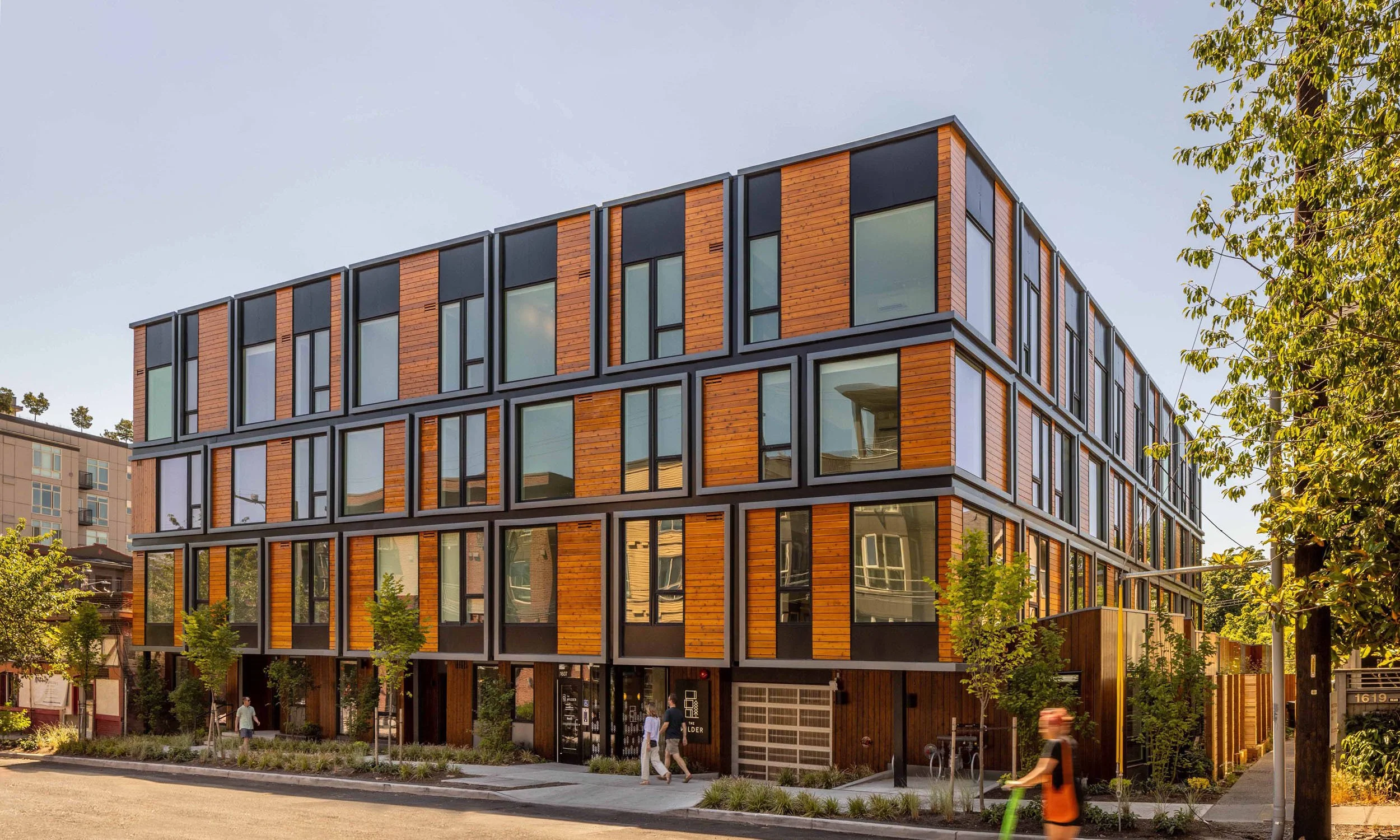
One building, several roofs, one warranty to keep straight
Mixed-use is where Richmond has been putting its energy, and the roofs reflect it. Scott's Addition went from a warehouse district to apartments-over-retail-over-breweries in barely a decade. Manchester across the river filled old industrial blocks with residential towers sitting on retail and structured parking. The Arts District along Broad Street, the Sauer Center development, and projects up and down the corridor between downtown and the Fan keep producing the same building type: a single structure stacking storefronts, apartments or offices, a parking podium, and sometimes a rooftop amenity deck. Each of those uses meets the weather differently, and a contractor who treats the whole thing as one flat plane will create problems that surface years later.
What makes these projects demanding is that the roof is not one roof. There is the main low-slope membrane over the top occupied floor. There is often a podium deck between parking or retail at grade and residential above. There may be a planted plaza, a pool deck, or a programmed amenity terrace. There are penthouse mechanical enclosures, elevator overruns, and parapets that run tall on the street side for screening. We scope all of it together so the assemblies, the flashing transitions, and the warranties actually line up instead of meeting awkwardly at a seam nobody owned.
The podium deck is not a roof, and treating it like one fails
The single most expensive mistake on a Richmond mixed-use building is putting a standard roofing membrane where a waterproofing assembly belongs. A podium deck, the slab between grade-level retail or parking and the occupied space above, carries pedestrian traffic, planters, sometimes vehicle loads, and constant hydrostatic pressure wherever there is landscaping. It deflects with the structure. It needs a traffic-bearing membrane, drainage composite, root barrier under any planted area, and a load path worked out with the structural engineer. A field membrane meant for sloped drainage and the occasional maintenance crew will not survive that environment, and when it leaks it leaks into finished retail or a parking deck with apartments above. We specify podium and plaza waterproofing as its own engineered assembly, separate from the roofing scope, because they are genuinely different systems.
Working above and below occupied tenants
By the time we are reroofing or repairing a mixed-use building, people live in it and shop in it. That changes the logistics more than the membrane. The urban-core projects in Richmond sit on tight sites with ground-floor retail that cannot lose its sidewalk and residents directly under the work. We sequence around that reality: noise and vibration windows that respect the residential floors, dust and debris containment over occupied space, crane and material staging planned against a street that may have no real laydown area, and elevator and common-area access coordinated with building management so a reroof does not shut down a tenant's morning.
Amenity decks are their own conversation. The rooftop terraces and pool decks on Richmond's mid-rise and high-rise mixed-use buildings are amenities residents pay for, and they sit on a traffic-bearing waterproofing assembly under the finish pavers or decking, never on a bare roofing membrane. We coordinate that assembly with the deck-finish contractor and the structural engineer so the waterproofing, the drainage, and the pedestal-set finish work as one system rather than three subcontractors hoping the layers below them were done right.
Coordinating with the whole project team
Mixed-use roofing lives inside a submittal process. On a ground-up or adaptive-reuse project we are working alongside the general contractor, the MEP subs, the structural engineer, and usually a building envelope consultant at the same time. That means manufacturer-approved submittals, waterproofing mock-ups before full installation, third-party testing at the transitions, and warranty registration coordinated across the roofing assembly and the waterproofing assembly so the owner is not left with a coverage gap where two systems meet.
- Architect-reviewed submittals and manufacturer technical approval before any material is ordered.
- Mock-up and flood testing on podium and amenity-deck waterproofing before the full assembly goes down.
- A phasing plan that keeps retail open and residential floors livable through the work.
- Daily written dry-in confirmation, the building stays watertight over occupied space every night.
- Coordinated NDL warranty registration across the roofing and waterproofing scopes at closeout.
Adaptive reuse adds its own surprises
A large share of Richmond's mixed-use stock is old industrial and commercial buildings given a second life, and those carry hidden conditions. Original built-up roofing over timber or concrete decks, parapets that were never detailed for an occupied roof, and drainage that was adequate for a warehouse but not for a planted terrace. We core sample and survey before committing to a recover-versus-replace decision, and we flag the structural and envelope questions early, while they are line items in a scope rather than change orders discovered mid-project.
Common questions on mixed-use roofing
Why can't a standard roof membrane go on the plaza or amenity deck?
Because those decks carry traffic, planters, and constant standing water at landscaping, and they deflect with the structure. They need a traffic-bearing waterproofing assembly with drainage composite and root barriers. A standard membrane in that setting typically fails within a few years and leaks straight into occupied space below.
How do you keep retail and residents functioning during the work?
With a phasing plan built before mobilization. We set noise and vibration windows around the residential floors, contain dust and debris over occupied areas, plan staging against the tight urban site, and coordinate elevator and common-area access with building management. Watertight dry-in is confirmed in writing every day.
Do you handle the rooftop amenity terraces?
Yes. We install and warranty the traffic-bearing waterproofing assembly under the finish surface, coordinated with the deck-finish contractor and the structural engineer of record so the whole deck performs as one system.
Can you work inside our project's submittal and QC process?
That is the norm for these jobs. We provide architect-reviewed submittals, manufacturer approvals, mock-up and flood testing, QC inspection reports, and coordinated warranty registration from preconstruction through final inspection.
We're converting an older industrial building, what should we expect?
Hidden conditions. We core sample and run a moisture survey before recommending recover or replacement, and we raise the structural and envelope questions, parapet detailing, drainage capacity, deck condition, up front so they're scoped rather than discovered later.
Talk to a Richmond commercial roofer
Tell us about the building and the issue. We will set up a roof walk and get you a clear, documented scope.