
Multifamily Roofing in Richmond, VA
Roofing for apartment complexes, multifamily housing, and HOA-managed communities throughout Richmond, VA.
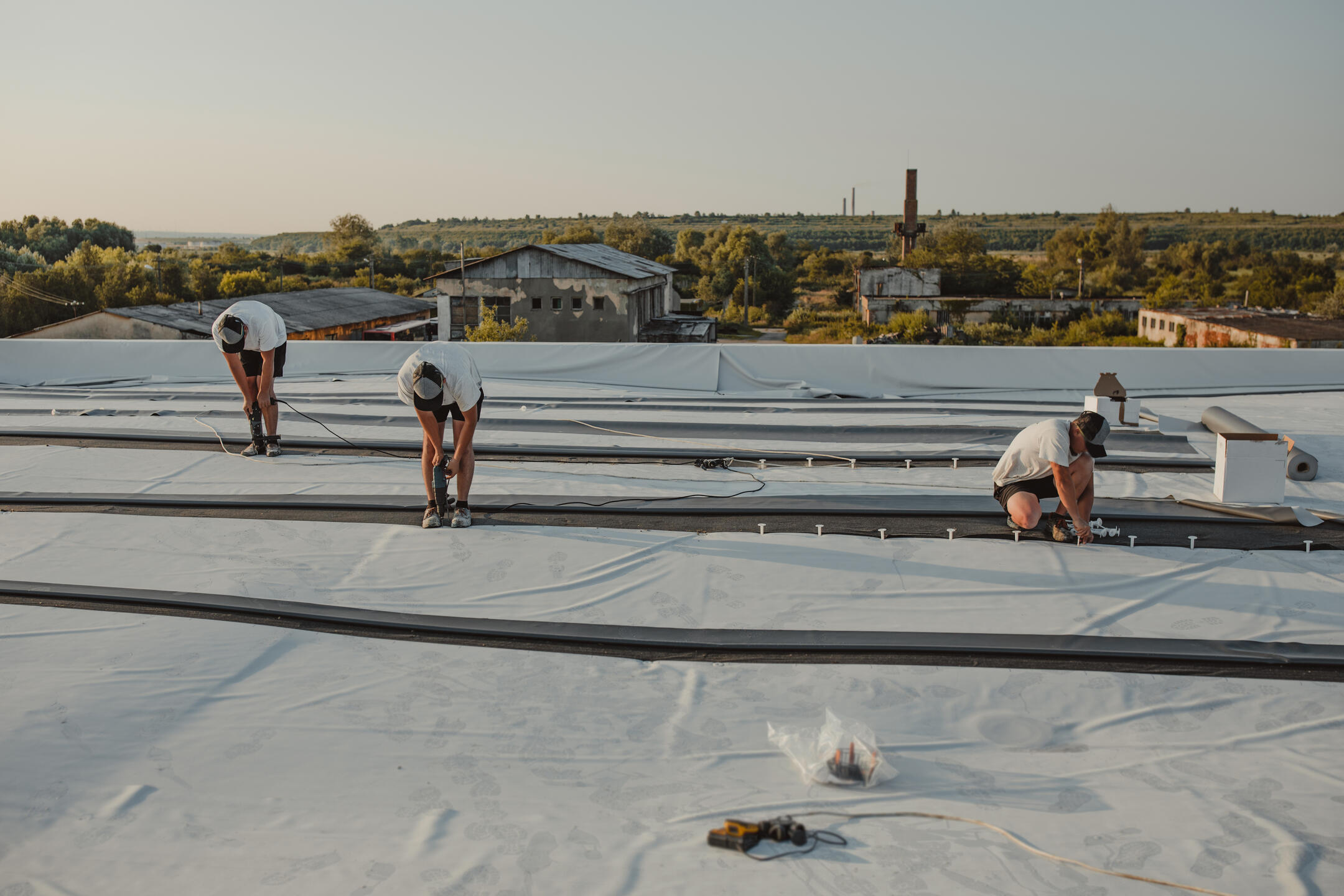
Richmond's multifamily housing market is headlined by a remarkably diverse portfolio of building types, from the Victorian-era apartment buildings lining the Fan District's Monument Avenue adjacency to the mid-century brick garden complexes along the Midlothian Turnpike corridor, to the newer mixed-use residential developments near Scott's Addition and along the Pulse Bus Rapid Transit corridor on Broad Street. Property managers and real estate investors navigating this landscape deal with a roofing environment that spans more than a century of construction methods and material technologies, all subject to the humid subtropical climate of Virginia's Piedmont region, a climate that combines long hot summers, persistent humidity, and winter ice storm events that can inflict serious damage on roofing systems that were never designed to accommodate them.
The Fan District and neighboring Museum District contain some of Richmond's most architecturally significant multifamily housing, including rowhomes converted to condominiums and four- to six-story apartment buildings with original slate or clay tile roofing, dormers, and complex parapet configurations that create dozens of potential water entry points. HOA boards governing these historic condominium communities often discover that their buildings' roofing systems require specialized expertise that standard commercial roofing contractors cannot provide. The interaction between masonry parapets, historic slate or modified bitumen roofing, and original lead-pan dormers is a specific technical domain that benefits from contractors who have worked extensively in Richmond's historic residential neighborhoods.
Richmond's position in the Atlantic hurricane track means that tropical systems influence the city's weather several times per decade, bringing sustained high winds and extended heavy rain events that test every aspect of a building's envelope. The combination of high wind and saturated ground conditions can compromise rooftop drainage systems, overwhelm gutters and downspouts on sloped-roof garden apartments, and expose any flashing detail that was not properly installed or maintained. Property managers who have managed Richmond apartment buildings through tropical events, including remnants of systems that tracked inland from the Outer Banks, understand that roof preparation before storm season is a legitimate operating priority rather than an elective maintenance item.
Henrico County and Chesterfield County, which together contain a large proportion of Richmond's suburban apartment inventory, have seen consistent multifamily development in corridors along West Broad Street, along Hull Street Road in the Midlothian area, and in the Short Pump submarket. Many garden-style complexes built in these areas between 1985 and 2005 are now entering the period when their second or third roofing system replacement cycle is approaching, and property management companies overseeing these assets need accurate capital planning to budget appropriately. A 200-unit garden complex in Henrico County with multiple buildings under sloped shingle roofs can represent a $300,000 to $500,000 or more roofing capital event when full replacement is required.
Richmond's humidity creates a specific threat to multifamily roofing systems that less humid climates don't encounter with the same intensity: biological growth. Algae staining, moss colonization, and the deterioration that results from sustained wet conditions against roofing surfaces are endemic on shingle roofs throughout the Richmond metro. The dark algae streaks visible on countless suburban apartment complexes along the Powhite Parkway corridor are not merely cosmetic, they indicate moisture retention that accelerates shingle degradation. Algae-resistant shingles with copper-infused granules have become the standard specification on new and replacement installations at professionally managed Richmond apartment properties where the appearance and longevity of the roofing system are both priorities.
Scott's Addition's transformation from light industrial to one of Richmond's most desirable multifamily neighborhoods has produced a wave of adaptive reuse projects where former warehouses and manufacturing facilities now house apartment units. The large, flat commercial-style roofs on these buildings require membrane systems and drainage designs appropriate for their original industrial construction while meeting current Virginia residential building code requirements for the occupied apartments below. Contractors who understand both the structural character of Richmond's older industrial buildings and the performance requirements of modern residential waterproofing systems deliver better outcomes on these projects than those experienced only in standard new residential construction.
Real estate investors pursuing value-add multifamily acquisitions in Richmond, particularly in transitional neighborhoods like Carver, Gilpin, and Manchester on the south bank of the James, encounter buildings where deferred roofing maintenance may be visible but where the full extent of water damage inside the assembly is not apparent from a standard walk-over inspection. Infrared thermal scanning, which identifies subsurface moisture by its thermal signature, is a valuable due diligence tool on these acquisitions because it can reveal saturated insulation and wet deck conditions that are invisible from above but that dramatically affect the true cost of a replacement scope. Buyers who discover this information after close face renovation budget overruns that erode projected returns.
HOA communities in Richmond's western Henrico County suburbs, Wyndham, Gayton Crossing, and similar master-planned communities with attached townhomes and condominiums, face reserve fund challenges that are particularly acute for roofing because Virginia's common interest community statutes allow HOA boards to fund reserves below actuarially required levels if unit owners vote to do so. Communities that have repeatedly waived full reserve contributions face large assessment gaps when major roof replacements come due, and the resulting special assessments are often disputed by unit owners who were not present when the waiver votes occurred. Boards in these communities benefit from clear and consistent communication about reserve adequacy and from reserve study updates that keep the projected replacement costs current with actual Richmond market pricing.
From a 12-unit historic rowhouse conversion in Oregon Hill to a 300-unit suburban garden complex in Midlothian, Richmond apartment owners benefit from commercial roofing partners who bring knowledge of both the city's historic building traditions and its contemporary construction landscape. Virginia's contractor licensing requirements should be the baseline verification for any commercial roofing work on an apartment building, and contractor references from comparable Richmond multifamily projects, not residential single-family work, are the most relevant indicator of a contractor's ability to deliver on a commercial scope. A well-maintained roofing program is one of the most direct ways to protect a Richmond multifamily investment's long-term value in a market where the quality and character of the housing stock are central to the city's competitive position as a place to live.
- What should Richmond property managers know about ice storm risk to apartment building roofs?
- Richmond experiences ice storms that deposit freezing rain and create heavy ice loading on rooftop surfaces several times per decade, and the weight of ice accumulation on flat commercial roofs can exceed design snow load limits on older buildings. Sloped shingle roofs on suburban garden complexes are vulnerable to ice dam formation and the penetration of ice beneath shingle laps when gutters freeze solid and back up water. Maintaining clean gutters and downspouts before winter, ensuring adequate attic ventilation to minimize thermal bridging that contributes to ice dam formation, and knowing where to call for emergency drainage after a significant ice event are all legitimate parts of winter preparation for Richmond apartment managers.
- How does Richmond's humidity affect asphalt shingle roofs on garden apartment complexes?
- Persistent humidity in Richmond's subtropical climate keeps rooftop surfaces moist for extended periods, particularly in shaded areas under overhanging trees or in enclosed courtyard configurations. This moisture environment promotes algae and moss colonization that accelerates shingle granule loss and breakdown of the asphalt matrix. Algae-resistant shingles with zinc or copper granule infusion are the standard recommendation for new and replacement installations across the Richmond metro, and annual gutter cleaning to prevent debris buildup against eave edges reduces the moisture retention that promotes growth at the most vulnerable part of the roof.
- What Virginia contractor licensing should I verify before hiring a commercial roofing contractor for a Richmond apartment building?
- Virginia requires contractors to hold a license from the Virginia Department of Professional and Occupational Regulation (DPOR) under the Board for Contractors, with a Class A, B, or C contractor license depending on project size and scope. Commercial roofing projects on apartment buildings typically require Class A or Class B licensing, and the license can be verified through DPOR's online license lookup. Always require current general liability insurance certificates and workers' compensation coverage before allowing any contractor to begin work on your property.
- How should Richmond HOA boards handle the discovery of significant roof deterioration in a community with inadequate reserves?
- When a roof assessment reveals deterioration that requires replacement and reserve funds are insufficient, boards have several options: a special assessment approved by unit owners per the governing documents, an HOA line of credit or loan from a commercial lender, or a phased replacement approach that spreads costs over two to three budget cycles if the roof's condition allows a phased approach without creating habitability or further deterioration risks. Communicating clearly with unit owners about the funding gap and the options available, with documentation from professional contractors and reserve specialists, helps build the consensus needed to move forward without prolonged governance conflict.
- Are there specific roofing challenges on Scott's Addition adaptive reuse apartment buildings in Richmond?
- Yes, former industrial buildings converted to apartments often have large flat-roof areas that were designed for industrial occupancy loads and maintenance access patterns very different from residential use. Drainage systems may have been sized for industrial-grade precipitation handling but may not meet current city requirements for residential occupancy, and mechanical penetrations from original industrial uses may have been inadequately patched rather than properly removed and flashed. Pre-purchase and pre-renovation inspections of these buildings should specifically evaluate the adequacy of existing membrane condition, drainage sizing, and penetration flashing details before finalizing renovation budgets.
Talk to a Richmond commercial roofer
Tell us about the building and the issue. We will set up a roof walk and get you a clear, documented scope.