
Automotive Manufacturing Roofing in Richmond, VA
Large-deck roofing for automotive plants and Tier 1 suppliers in Richmond, VA. Phased zone-by-zone work, paint-shop hot-work plans, vibration-rated seams, and production continuity.
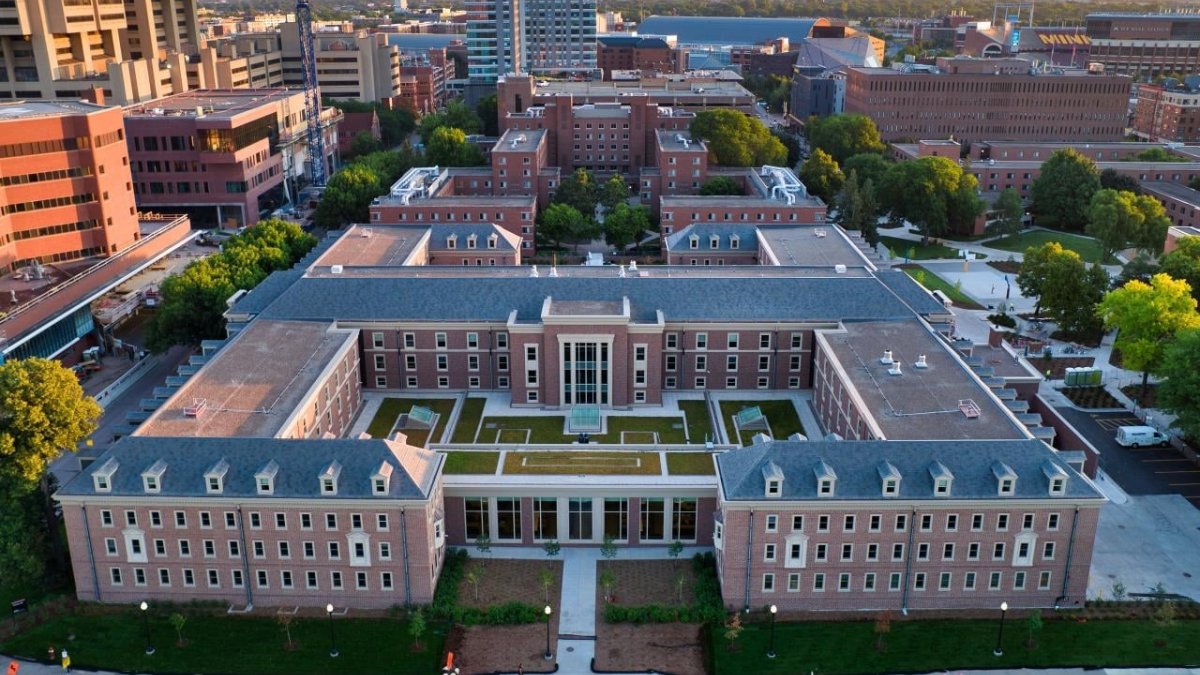
On an Auto Plant, the Roof Is Measured in Acres and Downtime Is Measured in Dollars
An assembly line that stops because of a roofing crew has a cost the plant can quote to the minute, and that number sets the terms for the entire project. Automotive manufacturing and Tier 1 supplier facilities run multiple shifts with little or no slack, so the roofing approach has to keep the line running while the work happens overhead. We plan these jobs around production continuity first and the roof second, because that is the order the plant lives by.
Richmond sits in good company for this work. The region feeds a Mid-Atlantic supplier base that serves automotive plants up and down I-95, and the heavy industrial corridors along Commerce Road, the Deepwater Terminal area, and the parks tied to the Richmond Marine Terminal and the rail network carry the kind of large-footprint manufacturing and metal-fabrication buildings that come with very large roofs. Climate data for the region is gathered at Richmond International Airport, a useful baseline for the heat, rain, and storm loading these long-span roofs have to take.
Acres of Deck Mean Phased Logistics, Not One Big Tear-Off
Manufacturing roofs run from hundreds of thousands to well over a million square feet under a single envelope. You cannot open that all at once. We section the roof into zones, sequence tear-off and material delivery to stay within crane reach and on-roof storage limits, and keep production protected in the zones not being worked. Daily dry-in is confirmed before each shift change so the plant never inherits an open roof. The logistics, where the loader sits, how material moves up, which bay is active when, are what separate a clean reroof from one that disrupts the floor.
The Paint Shop Is Its Own Set of Rules
Paint operations generate solvent vapor and carry fire-suppression and hot-work restrictions that reach up onto the roof. Above or next to paint-adjacent zones, torch application is often off the table, and solvent-based adhesives are unacceptable over active painting. We build the hot-work plan with the plant's environmental health and safety team during preconstruction and specify cold adhesive or mechanical attachment in those areas. These are not surprises to manage mid-project; they are scope decisions we make before we mobilize.
Presses and Process Loads Change the Membrane Spec
Stamping, casting, and powertrain operations put energy into the structure. Heavy presses transmit vibration up to roof level at frequencies that can fatigue a poorly welded or adhesive-bonded seam over time, even though the same seam would be fine on an ordinary building. We account for vibration exposure in the membrane choice and welding procedures over press-adjacent zones. Process heat, oil mist, and dense exhaust also drive how we detail penetrations and which membrane survives the local conditions on each part of the roof.
Ventilation and the penetration field
Manufacturing roofs are crowded with make-up air units, process exhaust, gravity and powered ventilators, and conduit. Every curb and penetration is flashed and documented as its own detail and inventoried on a roof-zone diagram. On large decks with documented drainage problems we add tapered insulation to move water rather than letting it pond between drains.
Condensation and Make-Up Air on a High-Bay Plant
A manufacturing floor moves a lot of air. Make-up air units, welding fume extraction, and process exhaust pull conditioned and heated air through the building, and in a Richmond winter that interior moisture wants to rise into the roof assembly and condense on a cold deck. On a high-bay plant the stakes are bigger than on a small building because the deck area is enormous and a moisture problem spreads before anyone notices a stain. We design the vapor control and insulation continuity to keep the dew point out of the assembly, and we pay particular attention to the transitions at parapets, expansion joints, and the long runs of curb where thermal bridging tends to show up first. Getting the building-science right on a roof this size is what keeps the deck sound for the life of the membrane.
Expansion Joints and Roof Movement
A roof that runs hundreds of feet in every direction moves with temperature, and that movement has to go somewhere. Structural and roof expansion joints are engineered relief points, and they are also the details most likely to leak when they are detailed lazily or buried under a recover. We rebuild expansion joints with proper bellows and cover assemblies sized for the actual movement the structure sees, rather than running membrane flat across a joint that is going to tear it open in a season. On large plants we map the joint network during the roof walk and treat each one as a designed detail in the scope.
What We Typically Specify and How We Price It
Large-span automotive roofs most often get 60-mil or 80-mil TPO mechanically attached, with fully adhered assemblies where hot-work or fastener-pattern restrictions apply, and tapered insulation in zones that don't drain. We confirm existing deck capacity before adding insulation thickness on structurally tight buildings. Wind uplift matters at this scale too: the perimeter and corner zones of a very large low-slope roof see the highest uplift pressures, so we increase fastening density in those zones to the calculated loads rather than carrying a single field pattern across the whole roof. Pricing is built per roof square after a roof walk and core review, so the proposal reflects the real assembly condition, penetration density, and access constraints rather than a guess.
Suppliers Get the Same Discipline as OEM Plants
Tier 1 and Tier 2 suppliers often run just-in-time schedules with zero tolerance for interruption, and we treat them exactly like an OEM line: document the production schedule, sequence around it, and keep daily contact with the plant's facilities lead. Closeout follows the same standard, formatted to the plant's requirements.
- Contractor safety qualification and a site-specific safety plan.
- Roof-zone diagram with a full penetration inventory.
- Daily work reports, permit records, and a photographed condition survey.
- Manufacturer warranty registration and system certification where required.
If you manage a manufacturing or supplier facility in the Richmond region and the roof needs work without stopping the line, call us. We will walk the roof, map the constraints, and build a phasing plan around your production.
Talk to a Richmond commercial roofer
Tell us about the building and the issue. We will set up a roof walk and get you a clear, documented scope.