
Bank Financial Building Roofing in Richmond, VA
Roofing for Richmond banks, credit unions, and financial offices, small high-visibility roofs, drive-through canopy flashing, vault-area sequencing, and security-cleared crews.
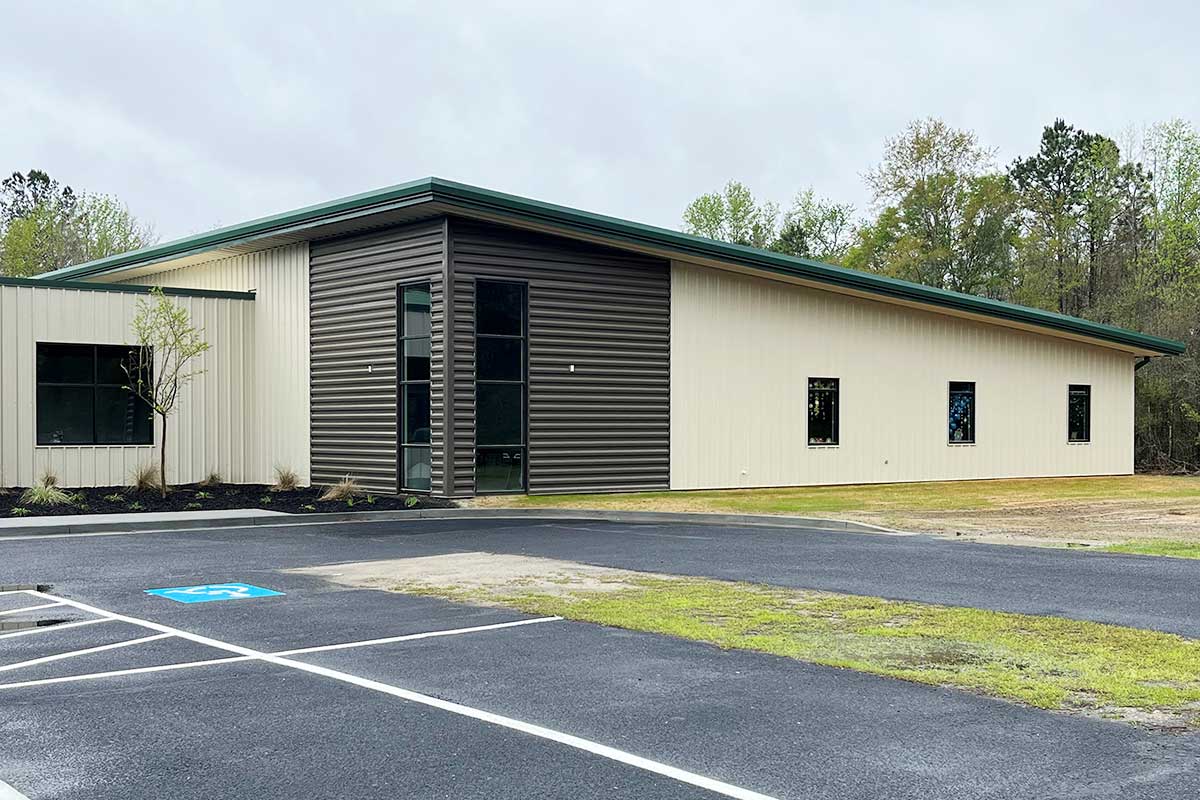
Small roofs, high stakes, and a building that can't go dark
A bank branch is a deceptive roofing job. The footprint is small and the roof looks simple from the parking lot, but what sits under it, a vault, a server room, a teller line, a customer floor, means even a minor leak is a business event, not a maintenance ticket. Richmond is a genuine banking town. It is home to a Federal Reserve Bank, it is where Capital One and Atlantic Union Bank are headquartered, and the branch and back-office network that comes with that runs from the financial district downtown out through the commercial corridors in Henrico, Chesterfield, the West End, and Short Pump. We approach every one of those buildings as occupied, security-sensitive work where the roof's job is to protect operations that cannot pause.
The category is broad. There are retail branches with drive-throughs anchoring strip centers and standalone pads, credit union locations serving neighborhoods, corporate banking offices and operations centers, and the office buildings that house financial-services firms. They are typically open Monday through Saturday, and the common thread is that water getting inside lands somewhere it absolutely cannot be.
More penetrations than the footprint suggests
A bank's roof is busier than its size implies. Drive-through canopy transitions, ATM and night-deposit kiosk enclosures, generator and transfer-switch rooms with rooftop exhaust, and precision cooling units protecting server and data closets all create discrete flashing requirements on a roof you could walk across in a minute. The detailing density is closer to a small medical or data building than to ordinary retail, and each of those penetrations is a place a generic flashing approach will eventually let go. The roofs themselves are also small and highly visible, they sit on prominent commercial pads where the parapet, the coping, and the edge metal are part of the building's curb appeal, so the finish work has to look as clean as it performs. We document every curb height and clearance against current warranty requirements before pricing, raise undersized curbs that older branch buildings frequently carry, and detail each penetration for the conditions it actually faces rather than a one-size pattern that photographs fine and fails in three winters.
The drive-through canopy is where banks leak
If a Richmond bank branch has a chronic leak, the odds are it is at the drive-through canopy. The point where the canopy roof meets the building wall takes thermal cycling, differential settlement between two structures that move independently, and overspray and weather that standard retail flashing was never meant to handle for the long term. Replacing the field membrane and ignoring that joint solves nothing. We treat the canopy-to-building transition as its own engineered flashing item, detailed for the differential movement these connections actually see, and we evaluate the canopy drainage along with it. On many branches that joint is the entire reason we were called.
Security shapes the schedule before the membrane does
Financial buildings come with access rules that most commercial properties do not. Contractor badging, escort requirements near vault-adjacent areas, camera documentation of crew activity, and vendor-management registration before anyone sets foot on the property are standard at bank-owned sites here. We treat that as part of the job, not a surprise. The security-coordination timeline and crew credentialing are built into the bid and the schedule from the start, so the institution is not absorbing delay or added cost after the contract is signed. We identify vault and secure-room locations from the drawings before mobilizing, sequence work over those zones into approved windows, and confirm with the security team that nothing we are doing, vibration, temporary access changes, touches an active operation.
- Loud tear-off and installation concentrated in off-hours and weekends, with daily dry-in before the branch opens.
- Crew badging and escort requirements arranged and built into the schedule, not discovered onsite.
- Vault- and server-adjacent roof zones sequenced into pre-approved windows.
- Drive-through canopy transitions re-flashed as discrete, engineered details.
- Noise limits during customer-service hours agreed with the branch manager up front.
Single branches and multi-site portfolios
Banks rarely own one building. Most operate a portfolio under corporate real estate with centralized facilities management, and the national and regional names, along with Richmond's own headquartered institutions and the community banks and credit unions across the metro, run preferred-vendor programs, standardized scope documentation, and national-account pricing frameworks. We work inside those structures for portfolio accounts and directly with community banks and credit unions managing a single property. For multi-site programs we provide consistent scoping, documentation, and pricing across the portfolio with one project-management contact for the corporate facilities team.
Documentation built for a corporate real estate department
Corporate banking real estate groups expect a specific package, and we provide it: insurance certificates and license verification before mobilization, a preconstruction safety plan, daily work and dry-in reports, manufacturer warranty registration in the owner's name, and a final permit and inspection package, all delivered within each institution's vendor-management and approved-contractor process.
Common questions from financial institutions
How do you keep roofing work from disrupting branch operations?
We concentrate active tear-off and installation in off-hours and weekends and confirm dry-in before the branch opens each morning. Work windows, noise limits during service hours, and any security escort requirements for roof access are coordinated with the branch manager and corporate facilities team in advance.
How do you fix the drive-through canopy leak?
By treating the canopy-to-building transition as its own flashing item, re-detailed for the differential movement and weather it experiences, rather than rolling it into the field membrane. That joint is the most common chronic bank leak and is never solved by replacing the field membrane alone.
Can you work over active vaults and secure rooms?
Yes. We locate vault and secure-room areas from the drawings before mobilizing, sequence work over those zones into approved windows, and confirm with security that no active operation is affected by vibration or temporary access changes.
What documentation will we receive?
Insurance and license verification before mobilization, a preconstruction safety plan, daily work and dry-in reports, manufacturer warranty registration in the owner's name, and a final permit and inspection package, all within your vendor-management process.
Do you handle multi-branch roofing programs?
Yes. Portfolio programs across a regional or national branch network are a regular part of our work. We deliver standardized scoping, documentation, and pricing across the portfolio with a single project-management point of contact for corporate facilities.
Talk to a Richmond commercial roofer
Tell us about the building and the issue. We will set up a roof walk and get you a clear, documented scope.