
Pharmaceutical Lab Roofing in Richmond, VA
Roofing for pharmaceutical, biotech, and laboratory facilities in Richmond, VA. We protect cleanrooms and sensitive equipment with zero-leak details, credentialed crews, and full closeout documentation.
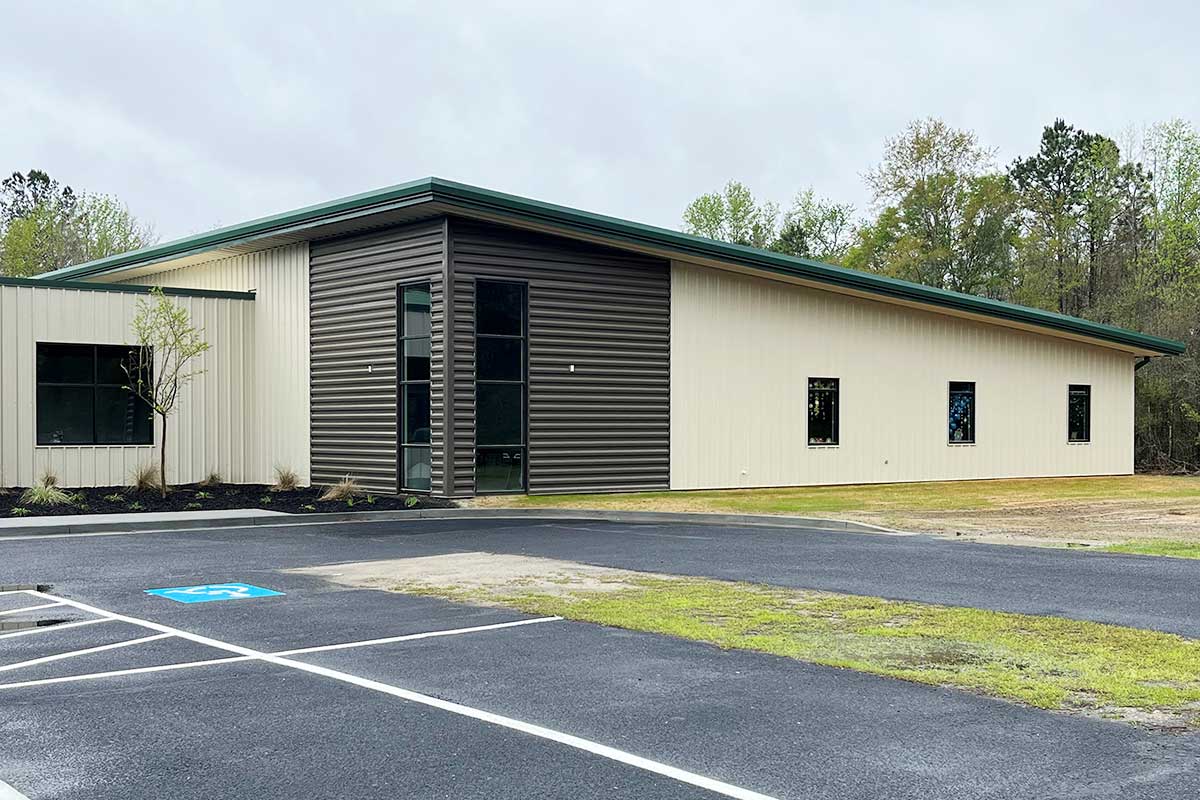
On a Lab Roof, a Single Drip Is a Quality Event
A leak over a warehouse is an inconvenience. A leak over a filling line, a cleanroom, a stability chamber, or a bench full of analytical instruments is something else entirely. It can quarantine a batch, force an investigation, and put a building's compliance standing at risk. Pharmaceutical, biotech, and laboratory facilities in Richmond run on a tolerance for water intrusion of exactly zero, and the roofing approach has to be keyed to that fact from the first site visit. We plan these projects to prevent the event, not to respond to it.
Richmond has grown a real life-science footprint to serve. The VCU Health and medical campus near downtown is the hub of the city's research base, the Virginia Bio+Tech Park sits alongside it, and contract manufacturing and advanced pharmaceutical work have been expanding in the region with the build-out tied to domestic drug production around the city. Add the lab and research space in the office and flex corridors out toward Innsbrook and Henrico's technology parks, and there is a steady inventory of buildings where the roof sits over equipment and processes that cannot get wet.
Access and Credentials Come Before the Roof
A regulated facility decides who gets on site, when, and with what paperwork, and a roofing crew that arrives without clearance simply burns a mobilization day. Drug manufacturing space may carry FDA facility expectations, controlled-substance areas can require DEA-related security, and certain research labs add biosafety and institutional review on top. We start credentialing during preconstruction, typically a couple of weeks ahead of mobilization, so the whole crew is cleared, badged, and briefed on escort and access rules before the first day. The access plan is a written part of the project, not something we sort out at the gate.
The Rooftop Over a Lab Is Dense and Unforgiving
Few building types put as much mechanical equipment on the roof as a lab or pharma plant. Cleanroom air handlers maintaining ISO-classified spaces, fume-hood and process exhaust carrying corrosive or solvent-laden discharge, HEPA-filtered biosafety stacks, and a web of conduit and controls all break the membrane plane, often clustered tightly together. Every one of those penetrations is flashed and documented as its own detail.
Protecting cleanroom pressure
Cleanrooms hold their classification through carefully balanced pressure differentials between adjacent spaces. Flashing work near a cleanroom supply or exhaust connection can disturb that balance if it is done without coordination. We work with the facility's mechanical team to schedule that work inside planned HVAC windows, confirm pressure recovery afterward, and verify that no debris has entered the air paths above the clean envelope. The roof crew and the MEP team move in step on these zones.
Corrosive exhaust and membrane chemistry
Lab exhaust is its own hazard to the roof. Solvent and acid vapors leaving a fume-hood or process stack can condense on the stack exterior and drip onto nearby membrane, producing localized chemical attack that a standard warranty will not cover. We identify the exhaust chemistry with the facility before we choose a membrane and specify a chemical-resistant PVC, often with added reinforcement, in the field around those stacks. TPO is the wrong choice next to solvent or acid discharge, and we say so.
Sequencing Around Continuous Operations and Sensitive Loads
Many of these buildings run continuously, and the spaces underneath rarely allow open deck above them at any hour. We phase the work so that the membrane over any sensitive area is opened and dried in within a controlled window, with temporary protection that is genuinely watertight rather than a tarp and a prayer. Stability chambers, cold storage vaults, and instrument suites get treated as no-water zones, and the daily plan is built so each one is covered and secure before the crew leaves.
Cleanroom Curbs Are the Detail That Decides Everything
The single most important detail on a lab roof is the curb where a cleanroom air handler or critical-process unit meets the deck. That curb sits directly over the space that cannot get wet, and it carries equipment that vibrates, sheds condensate, and has to be reflashed without ever opening a path to the room below. We build cleanroom curbs taller than a generic spec so the flashing has real height to work with, detail the counterflashing so a future service tech cannot wick water behind it, and confirm the condensate drainage from the unit is piped to a drain rather than dumping onto the membrane. Where a unit has to be lifted to reflash a curb, we coordinate the rigging and the temporary protection so the opening over the cleanroom is controlled minute by minute, not left open between lifts.
Dust, FOD, and Keeping the Site Clean
On most roofs, debris is a housekeeping issue. On a pharma or lab building it is a contamination risk, because dust and foreign material that migrate into an air intake or down a penetration can reach a controlled space. We treat the roof as a clean work zone: tear-off debris is contained and removed continuously rather than staged in piles, intakes near the work are protected or coordinated for shutdown, and fasteners, cutoffs, and packaging are policed so nothing washes into a drain or gets pulled into an air handler. The crew works to a foreign-object-debris discipline that fits the building, and we document the cleanup as part of the daily report so the facility has a record that the roof was kept controlled throughout.
Documentation the Quality Team Can Use
Closeout on a regulated building is not a single warranty certificate. The quality and engineering groups expect a package they can file and produce on demand, and we build it as we go.
- Contractor qualification and a site-specific safety plan reviewed before mobilization.
- Material submittals and manufacturer installation data approved by the facility engineer.
- Daily work reports tied to roof zones, with a penetration inventory and photographs.
- System certification where the facility requires it, and warranty registration on completion.
- Documents formatted to move through the facility's own document-control system.
Built for Research and Manufacturing Alike
Biotech campuses, university research buildings, and contract manufacturing sites each bring their own wrinkles, from multi-tenant lab suites with separate air systems to biosafety committees and environmental health and safety offices that have to sign off on the work. We have handled that coordination on Richmond research and production facilities and treat it as standard scope. If your building has equipment or product underneath that cannot tolerate a leak, call us for an assessment that respects what is at stake.
Talk to a Richmond commercial roofer
Tell us about the building and the issue. We will set up a roof walk and get you a clear, documented scope.