
University Campus Roofing in Richmond, VA
Commercial roofing for university buildings, dormitories, academic halls, and college campuses throughout Richmond, VA.
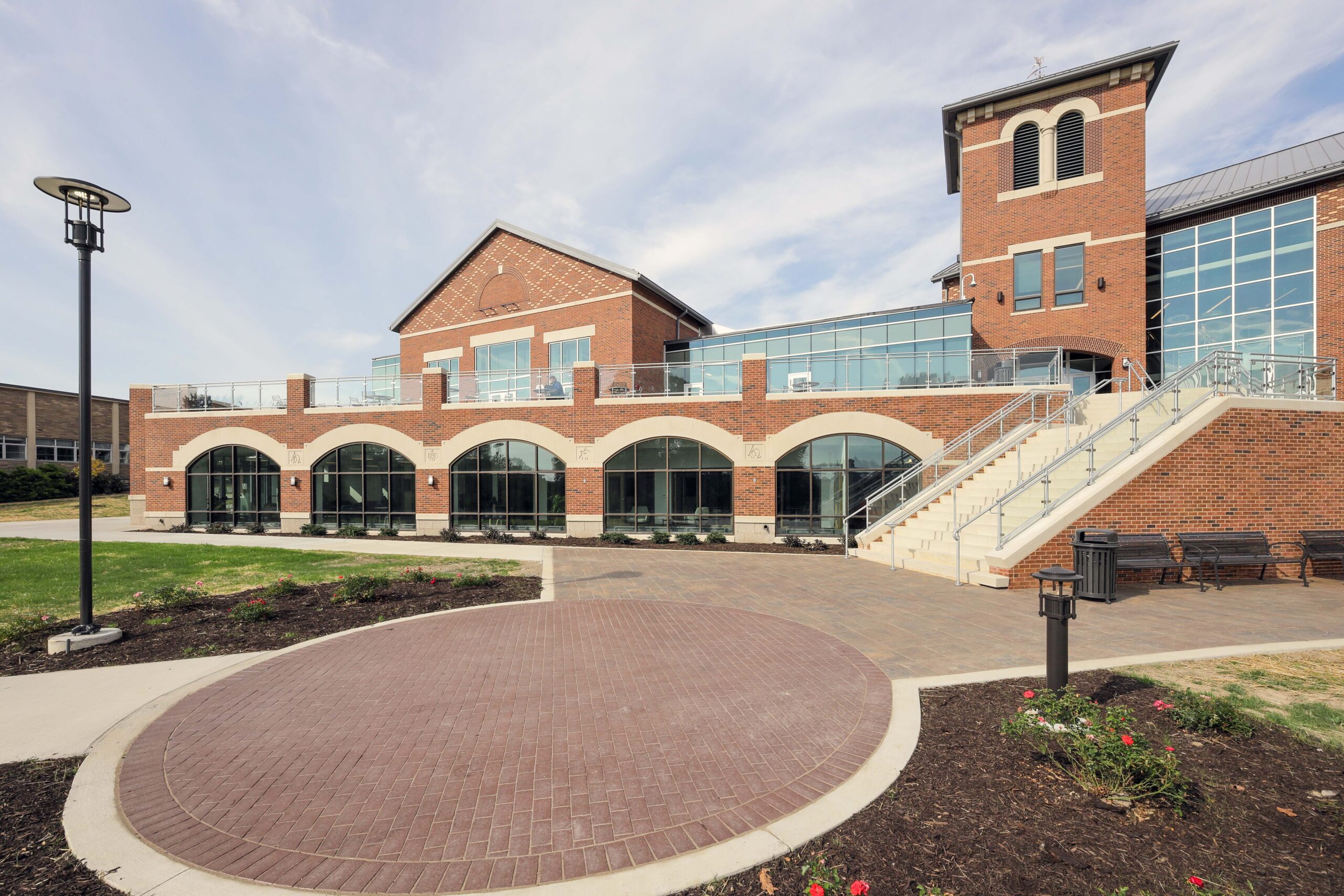
Virginia Commonwealth University's Monroe Park and MCV campuses in central Richmond present a commercial roofing challenge portfolio that spans over 150 years of architectural history. From the nineteenth-century brick academic buildings on the historic Monroe Park Campus to the contemporary medical and research towers of the MCV (Medical College of Virginia) Campus in downtown Richmond, VCU's facilities management team oversees roofing programs on structures that range from heritage masonry to state-of-the-art medical research facilities. Managing this diversity requires contractor teams conversant in both traditional building preservation and high-performance modern roofing system installation.
VCU's academic calendar creates construction windows that facilities management exploits efficiently. The primary summer window, mid-May through mid-August, concentrates major roof replacement projects. The MCV Campus, however, operates medical school, clinical research, and health sciences programs that don't follow the academic calendar's summer slowdown, and its buildings require the same year-round operational scheduling discipline found at commercial healthcare and pharmaceutical manufacturing facilities. Research continuity on the MCV Campus means that lab building roofing projects are always phased, never fully shut down.
Historic buildings on VCU's Monroe Park Campus are among Richmond's most architecturally significant institutional structures. The Academic Main building, Shafer Court Dining Center, and the mid-century buildings along Broad Street carry institutional identity that the university's preservation policies protect actively. Roofing contractors working on these buildings must use masonry-compatible flashing materials, lead-coated copper or pre-patinated copper at masonry wall interfaces, and submit product and detail approval requests to VCU's facilities and historic preservation staff before installation. Substituting modern aluminum or pre-finished steel flashings without approval is a contract compliance failure, not a minor administrative issue.
LEED certification is VCU's standard for new construction and major renovation projects. The university's commitment to sustainability is formalized in its campus sustainability plan, and roofing specifications contribute to LEED credits through high-SRI membrane selection, stormwater management integration, and, on selected buildings in the innovation district near the Siegel Center, vegetated roof components. Dominion Energy Virginia's commercial efficiency rebate programs provide financial incentives for qualifying cool-roof installations that can partially offset the premium cost of high-SRI membranes on VCU's capital projects.
MCV Campus research buildings present the most technically demanding roofing environment in VCU's portfolio. The Molecular Medicine Research Building, the Massey Cancer Center, and the McGuire VA Medical Center research complex all house laboratory operations with fume hood exhaust, biological safety cabinet ventilation, and research equipment comparable to commercial biotech facilities. Chemical resistance assessment of exhaust stack plume zones is essential before specifying roofing systems for these buildings, and contractor coordination with VCU's Environmental Health and Safety office is required before work begins above active research floors.
Richmond's climate combines hot, humid summers with moderate winters and the occasional ice event that causes disproportionate infrastructure disruption. VCU's older buildings are particularly vulnerable to ice dam formation at parapet bases and valley conditions, where decades of deferred maintenance have allowed original waterproofing details to deteriorate. Self-adhering ice and water barrier at all parapet bases, combined with tapered insulation for positive drainage at drain collars, are the standard remediation approach for VCU's older buildings where ice dam damage has occurred historically.
University of Richmond's campus in the west end of the city provides a residential college counterpoint to VCU's urban research university environment. Richmond's Collegiate Gothic buildings, with their steeply pitched tile roofs, copper gutters, and limestone detailing, require specialist traditional roofing and sheet metal skills that are distinct from the commercial flat-roof work that dominates VCU's portfolio. Re-roofing at University of Richmond typically involves a combination of clay tile repair and replacement, copper gutter rehabilitation, and low-slope section membrane work at mechanical penthouses and building additions.
Virginia Class A Contractor licensure with roofing specialty classification, manufacturer system authorization, and references from comparable Virginia university or institutional projects are the baseline qualifications for VCU or University of Richmond roofing work. Understanding Virginia public procurement requirements, used for capital projects at VCU as a state university, is an important practical capability for contractors pursuing this market.
Build relationships with VCU's facilities management team through consistent quality on maintenance and repair projects before pursuing capital replacement contracts. The MCV Campus's clinical research environment creates ongoing maintenance work that provides contractors with the experience and track record needed to bid major roofing projects successfully.
- What historic preservation requirements apply to roofing work on VCU's Monroe Park Campus buildings?
- Masonry-compatible flashing materials, lead-coated copper or pre-patinated copper, are required at masonry wall interfaces on historically significant buildings. Product and detail approval from VCU's facilities and historic preservation staff is required before installation. Modern aluminum substitutes are not acceptable without specific written approval from the historic preservation officer.
- How are MCV Campus research lab buildings re-roofed without disrupting medical research operations?
- Phased work plans maintain lab exhaust systems, emergency egress, and building mechanical systems throughout construction. Chemical resistance assessment of exhaust plume zones precedes membrane specification. Coordination with VCU's Environmental Health and Safety office establishes required protocols before work begins above active research floors.
- What LEED roofing documentation does VCU's sustainability program require?
- High-SRI membrane SRI test documentation, confirmation that specified materials were installed, and, on buildings with vegetated roof or stormwater management components, performance calculations confirming design intent. Dominion Energy rebate documentation is coordinated through the energy management office as part of project close-out.
- How does Richmond's occasional winter ice weather affect VCU's older building roofing maintenance?
- Ice dam formation at parapet bases and valleys on older buildings is a documented maintenance issue. Re-roofing projects on affected buildings incorporate self-adhering ice and water barrier at parapet bases and tapered insulation for positive drainage. Annual post-winter inspection identifies ice-related damage before spring precipitation adds to infiltration.
- What procurement path applies to VCU roofing capital projects?
- VCU uses Virginia public procurement requirements, managed through the university's facilities management and capital projects office. Capital projects are competitively bid under Virginia's public procurement act. Maintenance and repair work is typically handled through VCU's annual maintenance contractor program. Virginia Class A licensure with roofing specialty and appropriate bonding are required for all project types.
Talk to a Richmond commercial roofer
Tell us about the building and the issue. We will set up a roof walk and get you a clear, documented scope.