
Restaurant Roofing in Richmond, VA
Commercial roofing for restaurants, quick-service chains, breweries, and food service facilities throughout Richmond, VA.
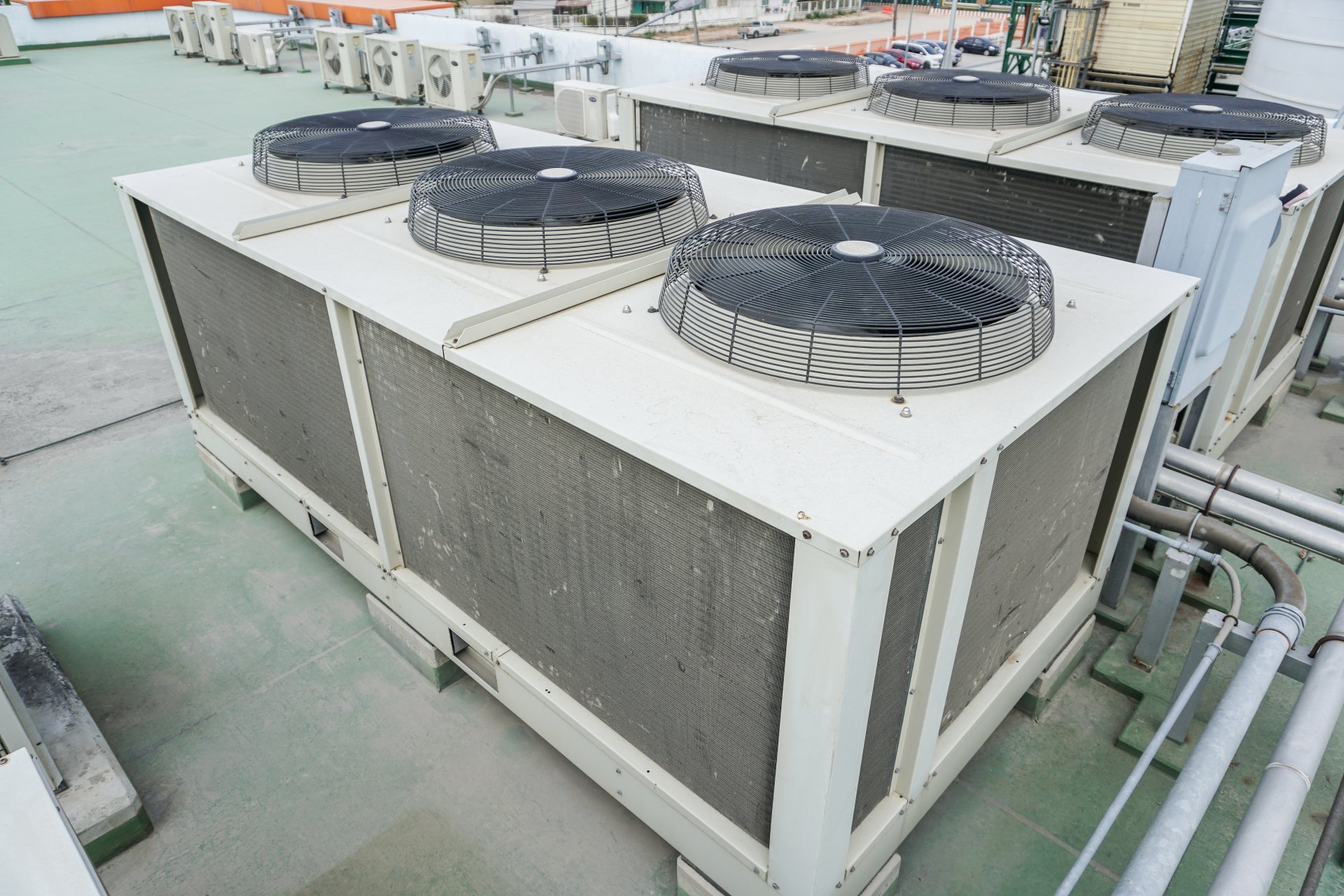
Richmond's restaurant renaissance has made the city one of the most talked-about culinary destinations in the Southeast, with Scott's Addition evolving from an industrial district into a dense cluster of breweries, distilleries, and elevated food concepts, Carytown maintaining its identity as an independent-restaurant corridor, and the Shockoe Bottom and Manchester neighborhoods attracting a younger dining culture. All of these buildings, converted warehouse structures, early twentieth-century brick storefronts, and modern commercial build-outs in strip developments along Broad Street and Midlothian Turnpike, face roofing conditions shaped by Richmond's humid subtropical climate.
Richmond receives about 44 inches of precipitation annually, distributed fairly evenly across the calendar rather than concentrated in a seasonal rainy period. This consistent moisture load means restaurant roofs never get a long dry spell in which minor deficiencies can be identified visually before they cause damage. The summer months add intense solar heat, Richmond's July temperatures regularly exceed 95°F with humidity that makes surface temperatures on dark or aged roofing membranes punishing. The combination of persistent moisture and intense summer heat accelerates deterioration of unsealed penetrations and aged sealant compounds on kitchen exhaust curbs and HVAC equipment pads.
Scott's Addition brewery roofs are among the most complex food service roofing assignments in the Richmond metro. A typical Scott's Addition brewery, housed in a 1940s-era masonry building originally built for light industrial use, carries fermentation vents, glycol refrigeration lines, compressed gas penetrations, and extensive HVAC equipment on a roof that may have been modified by previous tenants with scant regard for waterproofing detail. Before a re-roofing project begins, a contractor working in this neighborhood needs to complete a thorough substrate assessment, including core cuts to identify wet insulation layers that accumulated under previous membrane systems and will undermine any new installation if left in place.
Kitchen exhaust flashing on Richmond restaurant roofs deteriorates under a compound stress: summer heat bakes grease condensate onto metal housings, and the humid conditions through fall and spring prevent those surfaces from drying fully between rainfall events. This environment is particularly aggressive on galvanized steel flashing, which rusts through within a few seasons in Richmond's humidity. Specifying aluminum curb caps and stainless counter-flashing at Type I hood exhaust locations extends the service life at these high-failure points and reduces the frequency of reactive sealing calls between scheduled maintenance visits.
Richmond's walk-in refrigeration units present roofing challenges that are magnified by the city's summer heat and humidity. The thermal differential between a cooler interior held at 36°F and a roof surface in the upper 150s°F creates severe condensation potential at any improperly insulated penetration. For restaurant operators in strip-center buildings along Broad Street or in older Carytown storefronts where walk-ins have been retrofitted into spaces not originally designed for them, verifying that the cooler roof curb penetration has continuous closed-cell foam insulation and a vapor barrier at the membrane termination is an essential step in avoiding slow moisture damage that goes undetected until ceiling damage appears years later.
TPO membranes are well-matched to Richmond's climate and are the standard specification for re-roofing work on the region's restaurant buildings. A 60-mil reinforced TPO installed with heat-welded seams and properly secured at the perimeter handles Richmond's combination of summer heat and rainfall without the thermal stress cracking that affects older modified bitumen systems on the same building stock. For brewery and taproom applications where chemical exposure at ventilation penetrations is a factor, PVC membrane at those locations provides additional resistance to the variety of vapors that fermentation and distilling operations produce.
Richmond's quick-service restaurant operators along the major commercial corridors, Hull Street Road in Chesterfield, Midlothian Turnpike, and the Route 1 corridor in Henrico, face the same rooftop complexity as high-end dining concepts but with tighter maintenance budgets and franchise-mandated vendor approval processes. A franchise facilities manager overseeing multiple Richmond-area locations needs a roofing contractor who can produce the documentation formats required by the franchisor, work within the overnight scheduling windows that avoid health inspection conflicts, and maintain a consistent standard of work across buildings with varying ages and substrate conditions.
Hurricane season matters to Richmond restaurant operators more than many realize. While the city sits well inland, tropical storm remnants moving through Virginia can produce six to ten inches of rain in 24 hours, more than any well-maintained roof drainage system struggles with, but more than enough to find every marginal flashing and partially clogged drain. The September inspection cycle, timed just before the late-season tropical storm window closes, is the most important preventive investment a Richmond restaurant owner can make. Cleared drains, sealed parapet terminations, and documented seam integrity going into October mean that storm damage, if it occurs, is limited and documented rather than compound and ambiguous.
Building owners considering a full roof replacement on a Richmond restaurant building should evaluate the current substrate carefully before choosing between a recover and a tear-off. Many older Carytown and Shockoe Slip restaurant buildings carry modified bitumen or aged built-up roofing that has accumulated moisture over years of service. A nuclear or infrared moisture scan quantifies the extent of wet insulation, allowing the contractor and owner to make an informed decision about how much material removal is required and to budget accordingly. Trapping wet insulation under a new membrane is not a cost savings, it is a deferred expense with compounding consequences.
- Why are Scott's Addition brewery roofs particularly challenging to re-roof?
- These buildings were originally constructed for industrial use, not food service, and their roofing systems have typically been modified by multiple previous tenants with varying levels of workmanship. Core-cut substrate assessments commonly reveal wet insulation from past leaks beneath serviceable-looking membrane surfaces, and the high penetration density from fermentation, refrigeration, and mechanical equipment requires careful coordination of curb details that must all be watertight simultaneously. A thorough pre-project survey is essential to accurate scope development and bid pricing.
- What membrane type is recommended for Richmond restaurant roofs?
- 60-mil reinforced TPO is the standard recommendation for Richmond commercial restaurant roofs due to its reflective surface, heat-welded seam reliability, and resistance to the thermal cycling caused by the city's summer heat combined with consistent annual rainfall. PVC is specified at exhaust curb locations and brewery ventilation penetrations where chemical resistance to grease vapor and fermentation gases is needed, and the two membranes can be joined at a weld strip when a hybrid installation is appropriate.
- How does Richmond's humidity affect kitchen exhaust flashing longevity?
- Richmond's persistent humidity prevents grease-laden condensate on exhaust flashings from drying fully between rainfall events, creating a continuously moist environment that accelerates corrosion on galvanized steel components. Most commercial roofing contractors in this market now specify aluminum or stainless steel at Type I hood exhaust locations, which corrode significantly slower than standard galvanized material under these conditions. This upgrade typically adds modest cost to initial installation but eliminates multiple reactive repair calls across a standard maintenance cycle.
- Should Richmond restaurant operators schedule inspections around hurricane season?
- Yes, the September pre-season inspection is the highest-value preventive maintenance investment for Richmond food service buildings. Tropical storm remnants moving through Virginia can produce extreme short-duration rainfall totals that overwhelm partially clogged drains and find every marginal seam. Completing drain clearing, edge metal checks, and seam resealing before the late-September storm window significantly reduces the probability of interior damage from these events, which arrive quickly and often with little warning in inland Virginia.
- What is the risk of recovering a Richmond restaurant roof rather than doing a full tear-off?
- The primary risk is trapping wet insulation beneath the new membrane, which cannot dry out, will compress over time creating low spots and drainage problems, and will eventually require complete removal anyway. A moisture scan using infrared or nuclear technology identifies wet zones before the decision is made, allowing the contractor to propose a targeted tear-off in affected areas combined with a recover in dry zones. This hybrid approach often provides the cost savings of a recover while eliminating the substrate moisture problem that causes new systems to fail prematurely.
Talk to a Richmond commercial roofer
Tell us about the building and the issue. We will set up a roof walk and get you a clear, documented scope.