
Snow & Ice Roof Damage Insurance Claims in Richmond, VA
Documentation for ice storm and freeze-thaw roof damage on Richmond commercial buildings, built for the insurance claim rather than the repair invoice alone.
Central Virginia winters do not bring the kind of snow load that keeps a structural engineer up at night. What they bring instead is a freeze-thaw pattern: a wet system moves through, temperatures drop overnight, and whatever water is sitting on the roof or trapped in a seam freezes, expands, and thaws again a day or two later. Over a single winter that cycle repeats several times, and on an older low-slope roof it does more damage than one big snowstorm ever would.
Why Ice Does More Damage Here Than Snow
Snow sitting evenly across a flat commercial roof is mostly a load question. Ice is a mechanical problem. When meltwater refreezes at a parapet, a scupper, or a roof drain, it can jack open a seam that was marginal to begin with, split flashing that has already lost some flexibility, or dam water behind it so the next thaw backs up onto the membrane instead of draining off. A roof that would have shed a heavy snow without issue can develop a leak from a much smaller ice event simply because the ice found the weak point the snow never tested.
Older Roof Stock and Freeze-Thaw Risk
A lot of Richmond's commercial roof inventory sits on buildings that were not built as commercial roofs in the first place. The tobacco-warehouse conversions around Scott's Addition and Manchester carry historic parapets, masonry coping, and roof transitions added during later renovations, and those transition points are exactly where freeze-thaw cycling causes the most trouble. State government buildings near Capitol Square and older downtown office stock near Shockoe Slip and Shockoe Bottom carry similar risk from aging flashing and coping details that were not necessarily designed with a modern single-ply membrane's expansion and contraction in mind. On these buildings, an ice event that looks minor on the surface is often exploiting a detail that was already marginal before the cold arrived.
Documenting Ice and Cold-Weather Damage for a Claim
Ice damage claims get disputed for a specific reason: carriers often argue that a split seam or a cracked flashing detail is ordinary wear rather than storm-related damage, since ice does not leave the dramatic visual signature that hail or wind does. We document ice buildup at drains and scuppers while it is still visible, photograph split or displaced flashing before it gets reworked by a maintenance crew trying to stop an active leak, and run a moisture scan once the roof thaws to map how far water actually traveled under the membrane. That combination — the ice event itself plus the moisture pattern it left behind — is what separates a legitimate cold-weather claim from a wear-and-tear argument.
Getting the Roof Back in Service Safely
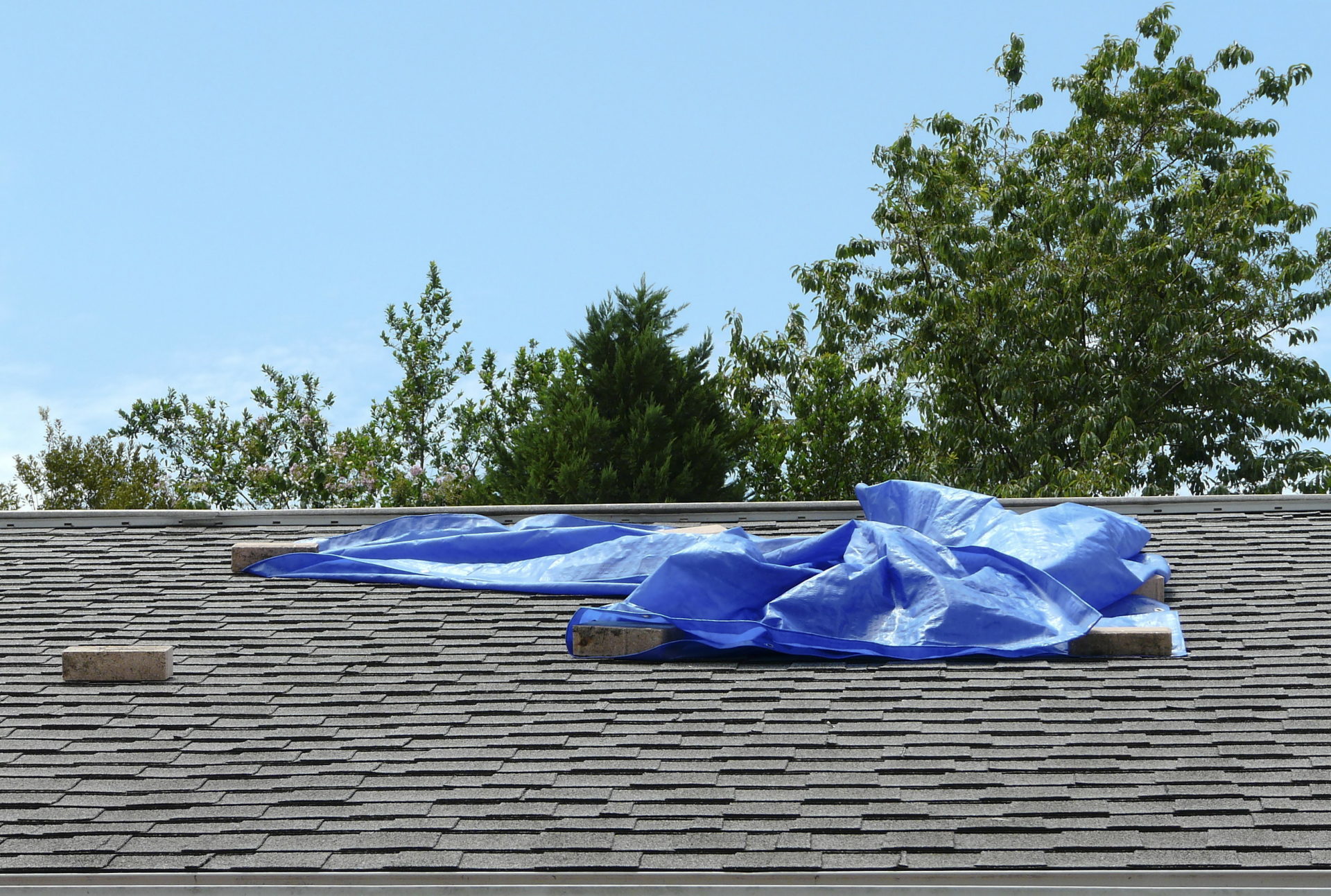
Repair work after an ice event has its own constraints. Most single-ply adhesives and many sealants have a minimum application temperature, which limits what can be done permanently during a cold snap. Our first priority after a winter roof failure is usually a temporary dry-in that stops water entry without depending on adhesives that will not cure properly in the cold, followed by a permanent repair scheduled for the first stretch of workable weather. We sequence that repair timeline into the claim file so the building owner and the adjuster both understand why a temporary measure came first and a permanent repair followed.
Reading a Roof for Multiple Ice Events in One Winter
A single winter in Richmond can bring two or three separate freeze-thaw episodes, and by February it is common for a roof to show damage from more than one event layered on top of itself. We separate that history where we can, noting which cracks or seam failures line up with a specific documented cold snap and which look older. That distinction matters to a carrier, since a claim tied to one identifiable ice storm is easier to support than a general assertion that "the roof leaks in winter." On buildings with rooftop mechanical equipment, we also check condensate lines and drain pans for freeze damage, since a cracked line inside an enclosure can mimic a roof leak and send an inspection down the wrong path if it is not ruled out early.
We're your roofing contractor, not a public adjuster — we document and substantiate the roof damage so you and your adjuster work from an accurate scope.
Frequently Asked Questions
Does a typical Richmond winter cause roof insurance claims?
Yes, though usually from ice and freeze-thaw cycling rather than heavy snow load. Ice storms, refreezing meltwater at drains, and cold-cracked flashing are the more common cause of winter roof claims in this area.
How do you prove ice damage wasn't just normal aging?
We document the ice buildup and its location while it is still present, then run a moisture scan after the thaw to map how far water traveled. That combination shows a specific event pattern rather than a slow, gradual leak.
Can repairs be done while it's still freezing outside?
A temporary dry-in can go on in cold weather to stop active leaking. Most permanent membrane repairs need warmer conditions for adhesives and sealants to cure properly, so we schedule the permanent fix for the next workable weather window.
Does an older parapet or coping detail make a claim more complicated?
It can. Buildings with historic parapets or older flashing transitions, common on converted warehouse buildings, often have more points where freeze-thaw cycling can exploit an existing weakness, so we document those transition areas specifically.
Will you check the drains after an ice event even if there's no visible leak yet?
Yes. A drain or scupper that refroze and backed up water can create a delayed leak days later, so checking drainage is part of every post-ice-event roof walk, well beyond the area where damage was first reported.
Talk to a Richmond commercial roofer
Tell us about the building and the issue. We will set up a roof walk and get you a clear, documented scope.